


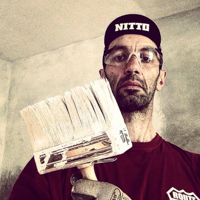


You don’t necessarily expect a factory visit to change the way you look at bicycle cables. Yet that’s exactly what happened during my time at Jagwire.
From the moment I was welcomed by Kirsty, the Global Sales & Marketing Manager, along with Mara and Jason, it was clear that there was a sense of pride, confidence, and—most of all—expertise in the air. The visit quickly revealed just how much craftsmanship, technical depth, and strategic thinking lie behind a product riders barely notice: the humble bicycle cable.

The Origins of a Brand That Refused to Stay Ordinary
Jagwire’s story goes back more than thirty years, born from the manufacturing know-how of Chia Cherne Industry Co., Ltd., which has specialized in cable production since 1986. The brand didn’t set out to revolutionize a glamorous category—because cables, frankly, didn’t have one. Instead, Jagwire took the opposite approach: elevate the overlooked.
Listening to the team, and later seeing the production processes up close, I understood the driving force behind Jagwire’s creation. Control on a bicycle—braking, shifting, the subtle adjustments of speed and handling—ultimately runs through cables. Improve the cable, and you improve the entire riding experience.


The Surprising Complexity of Making a Cable
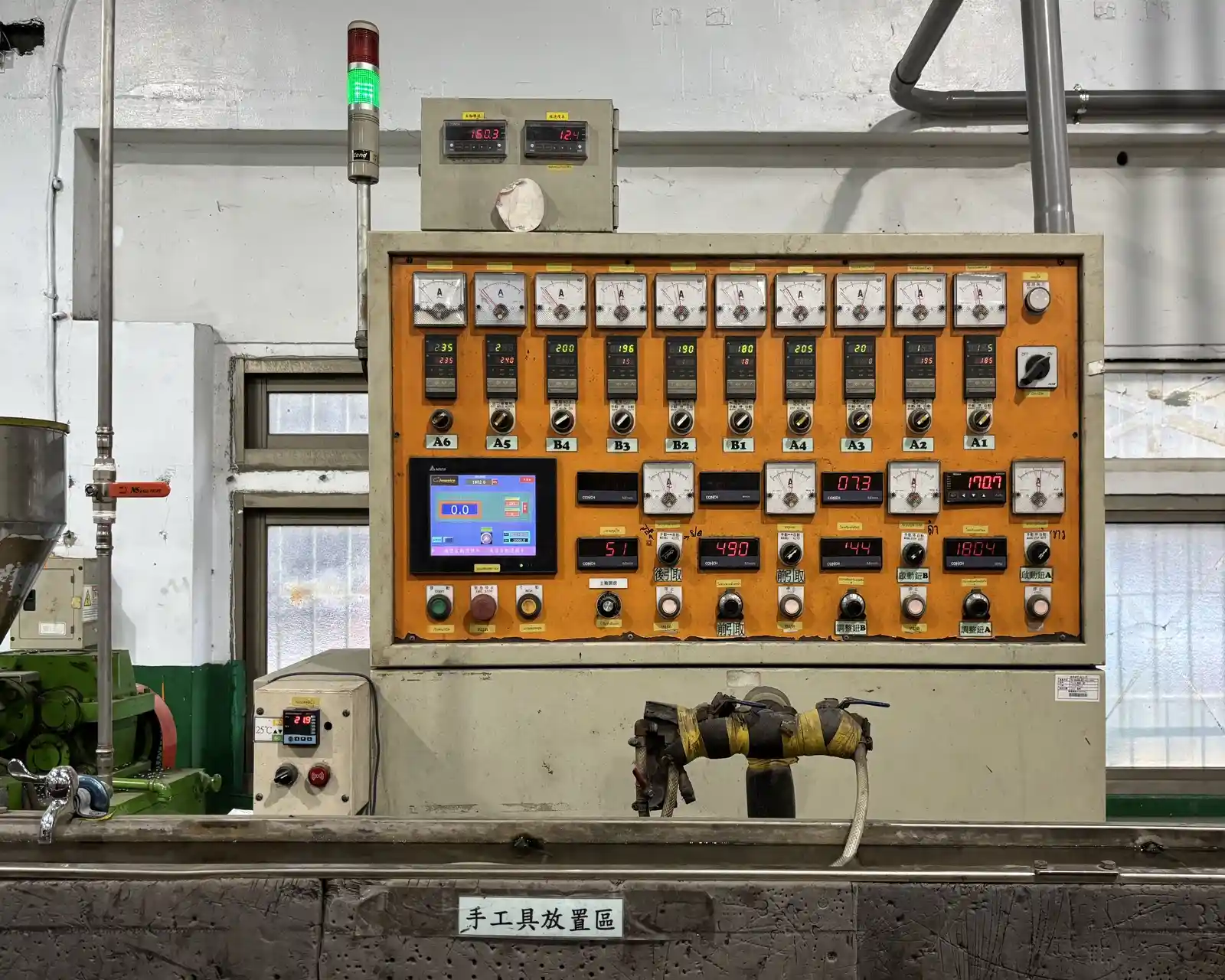
If someone had told me beforehand that manufacturing a bicycle cable borders on art, I might not have believed them. But watching Jagwire’s operations, I found myself repeatedly surprised.
Jagwire’s team explained the central performance variable: friction. The less resistance inside the cable system, the smoother the braking and shifting feel. That’s the difference between a basic component and a premium one—and Jagwire has spent decades mastering that difference.


Facing Market Shifts with Strategic Agility
One of the themes that emerged clearly during my discussions with Kirsty, Mara, and Jason was Jagwire’s ability to evolve.
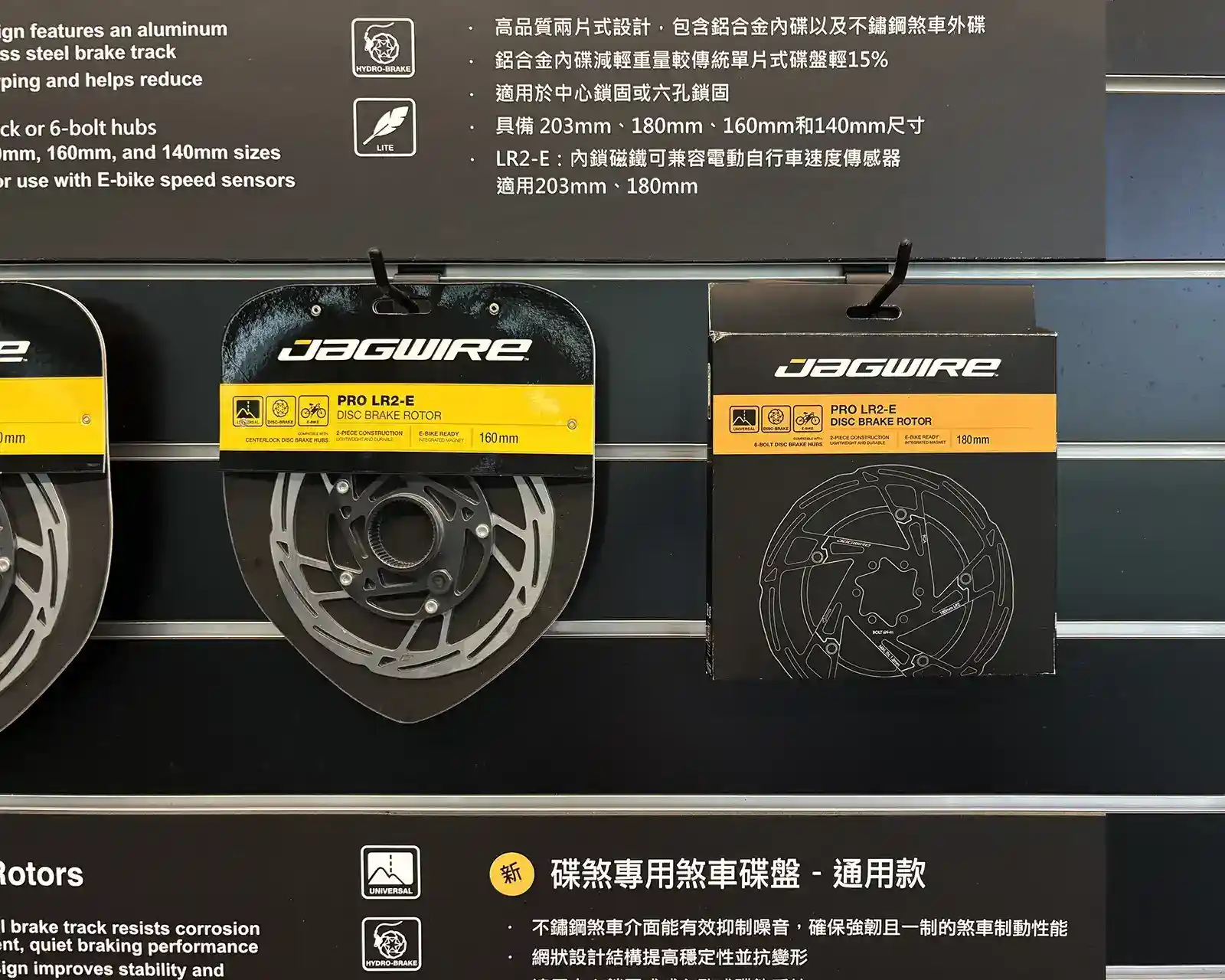
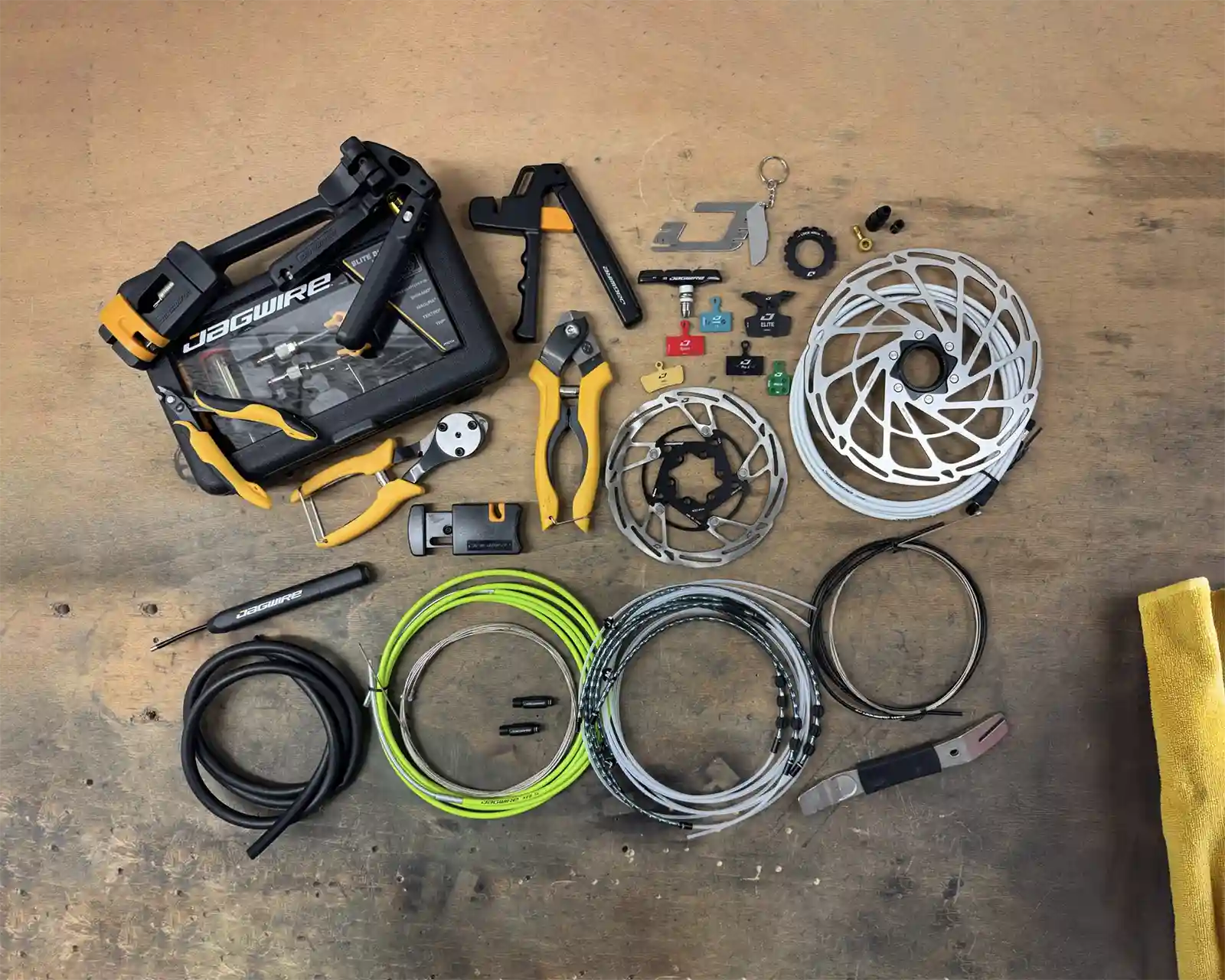
Today, Jagwire isn’t just a cable brand—they are positioning themselves as specialists in complete bicycle control and braking systems. They expanded into rotors, brake pads, hydraulic hoses, and even specialized tools designed for both professionals and home mechanics. What started as a necessary adaptation became a strategic transformation.
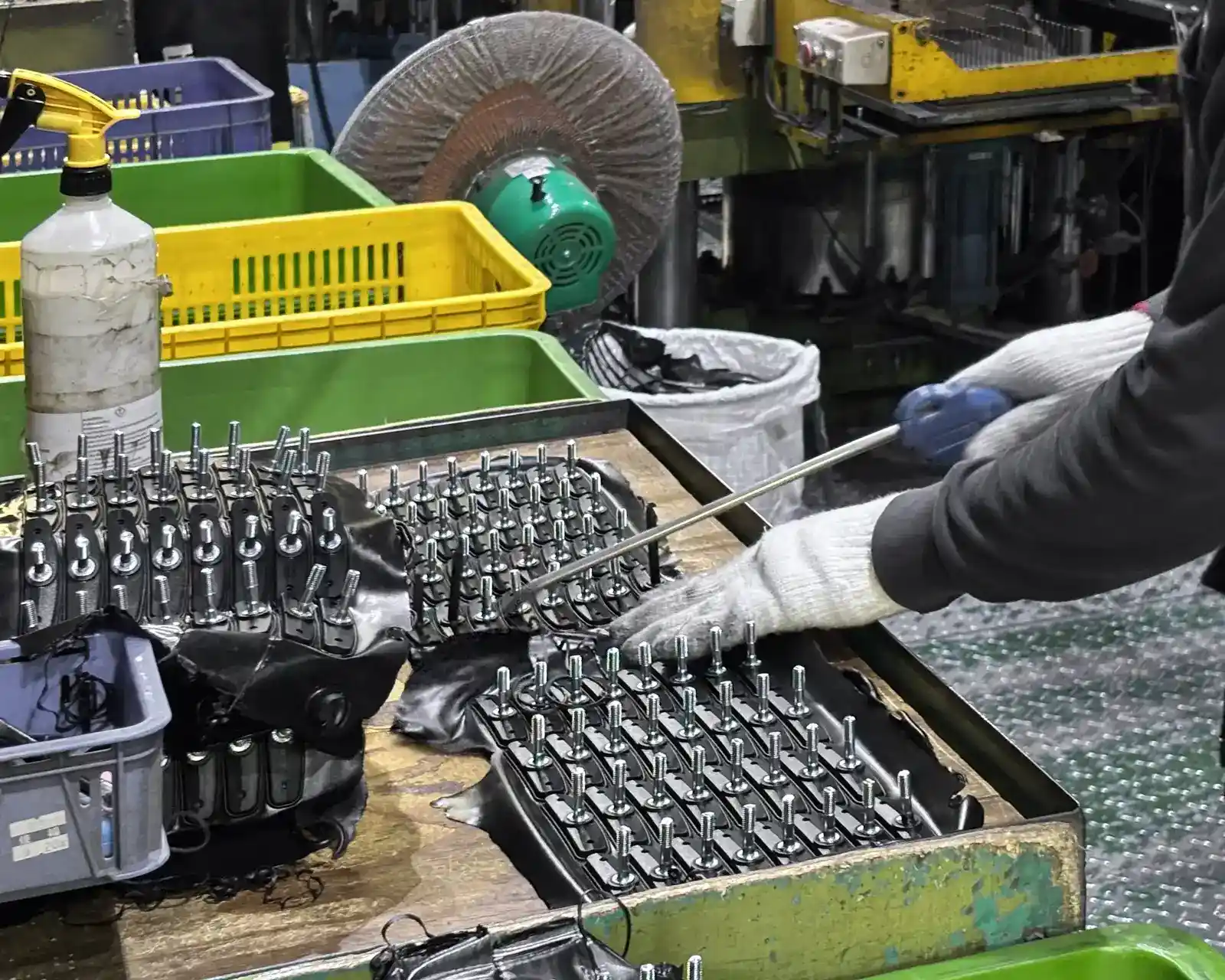
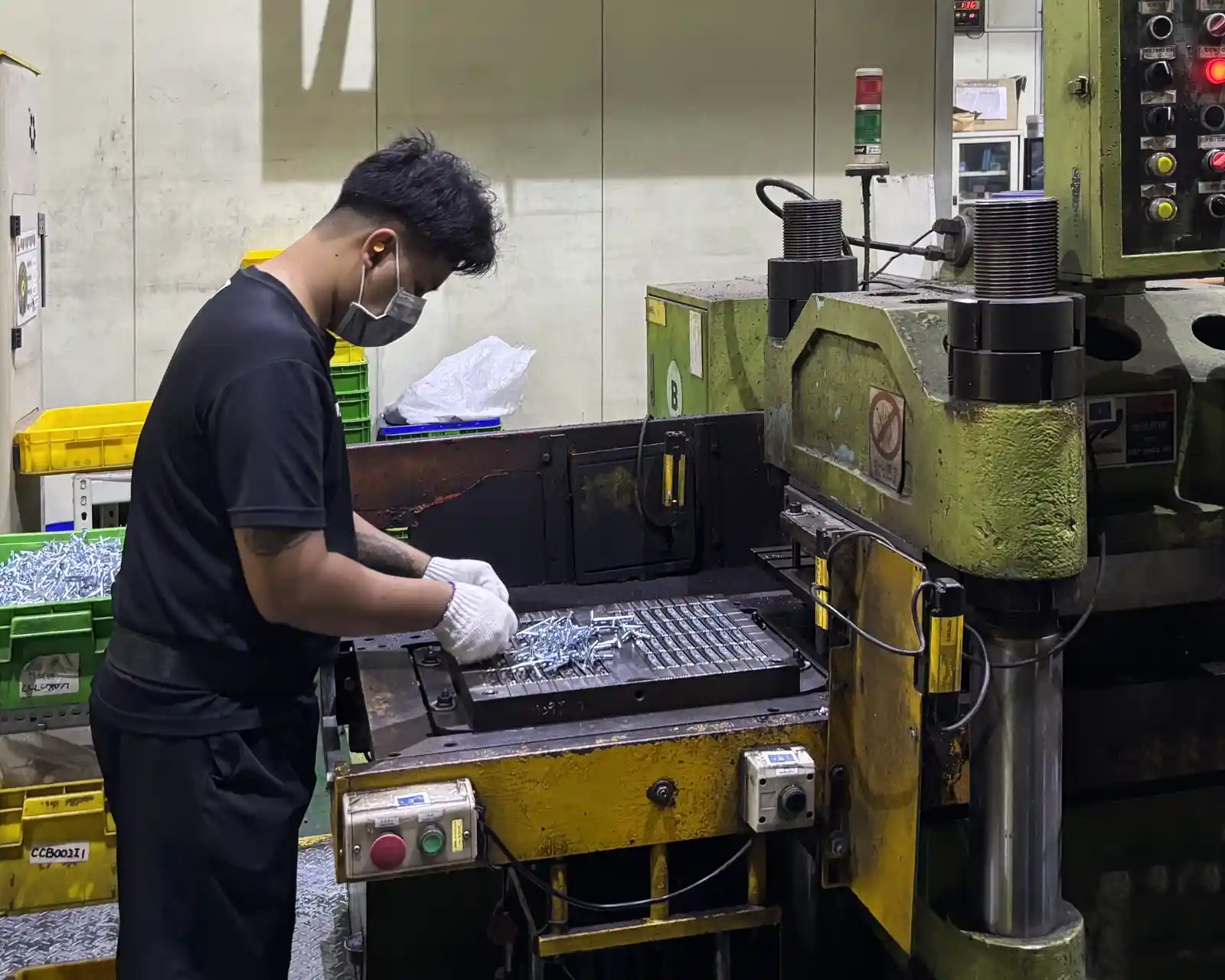

Even as automation has advanced, Jagwire insists on manual control where it matters. Watching their staff carefully was a reminder that some forms of precision can’t be left to machines. It’s slow, meticulous, and entirely deliberate.
OEM Trust and Global Reach
Jagwire’s reputation isn’t built on marketing alone. Their products appear on bikes from over 100 of the world’s leading cycling brands, including each of the top ten OEMs—an astounding level of industry trust. In some segments, their market share reaches 70%.
That level of dominance doesn’t happen by accident. It comes from decades of collaboration with demanding partners who expect flawless performance, and from a meticulous approach to testing: tension, friction, weather exposure, salt, UV, extreme temperatures—every factor a cable might face in the real world.

A Sustainability Strategy With Real Substance
What impressed me further was the brand’s commitment to sustainability—not as a marketing layer, but as a structured, measurable priority.
In 2016, they became the first major manufacturer to introduce polished stainless-steel inner wires, eliminating the need for PTFE and other harmful polymer coatings. This not only improved durability and smoothness but also aligned with their long-term sustainability goals.
Jagwire’s parent company has a dedicated ESG department responsible for carbon accounting, reduction planning, and energy transition initiatives. They’ve committed to SBTi-aligned targets for 2030, and began a five-year green electricity procurement plan in 2025, purchasing up to 180,000 kWh of renewable power per month.
Their packaging is now fully paper-based, and they are already developing recycled materials for housings.
A Brand With 30 Years Behind It—And the Energy of a Start-Up Ahead
As my visit came to an end, I had the impression of a company with history, but also with a remarkably youthful drive. Jagwire celebrated its 30th anniversary, yet the mood inside feels energetic, curious, and relentlessly forward-looking.
They mastered a component the cycling world once took for granted, turned it into a benchmark of excellence, and are now using that same precision to expand into the next generation of bicycle control systems.
With the rise of hydraulic braking and electronic shifting, traditional cable demand—especially at the high end—has naturally declined. For many brands, that would be a threat. For Jagwire, it became an opening.
I came expecting to learn how cables are made. I left genuinely impressed by the level of innovation, craftsmanship, and strategic vision behind them.
In the world of cycling, Jagwire proves that even the smallest component can tell a big story—if you care enough to make it exceptional.
More on Jagwire at https://www.jagwire.com
Thanks for reading!
👉 Stay in the loop — follow us on LinkedIn for the latest insights and expert perspectives. This blog is a passion project, and every bit of engagement helps.