

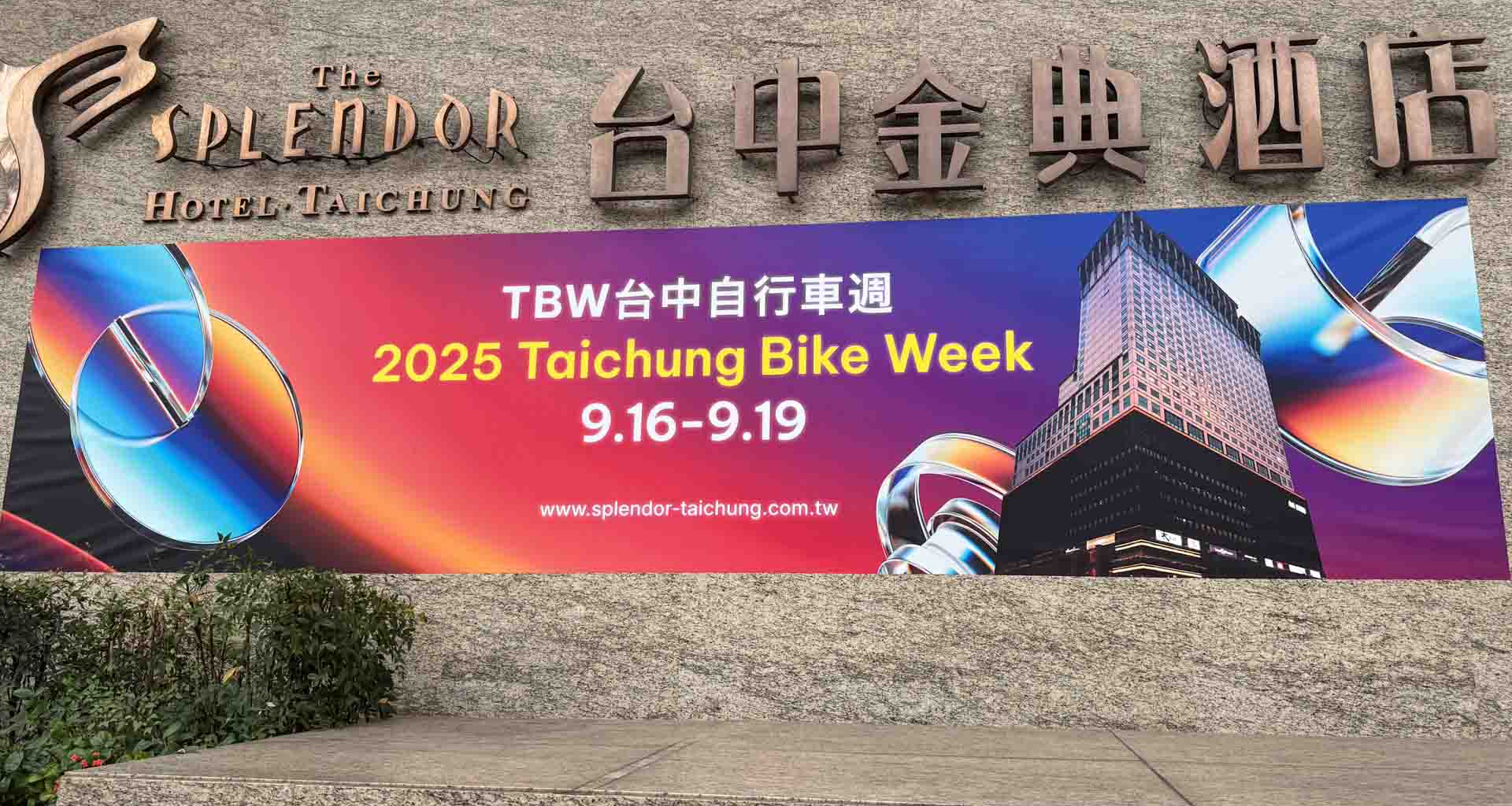



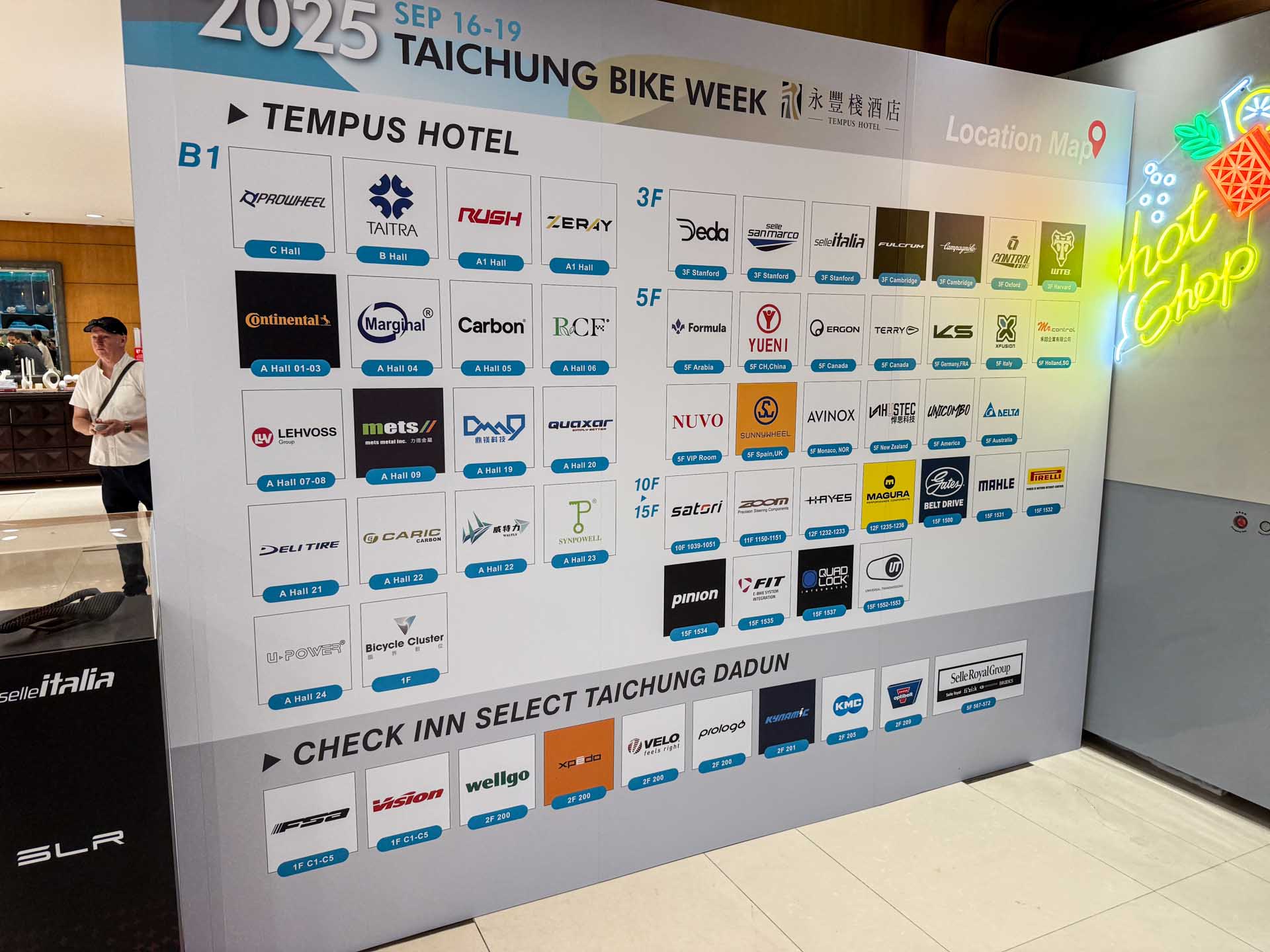
While the fourth quarter arrives, many business activities enter the year’s most critical sprint phase and at the same time, laying the groundwork for the upcoming year. For suppliers in the bicycle industry, Taichung Bike Week 2025 was an ideal opportunity to secure orders for the coming seasons.

A Market Reset, Not a Collapse
Yes, the industry is still working through excess inventory and adapting to new pricing realities, but several companies reported that the worst of the downturn may be behind them. After a difficult early 2025, some suppliers are seeing sales stabilize and even project modest growth into 2026. This suggests that the market may be finding its natural balance after years of overproduction and heavy discounting.
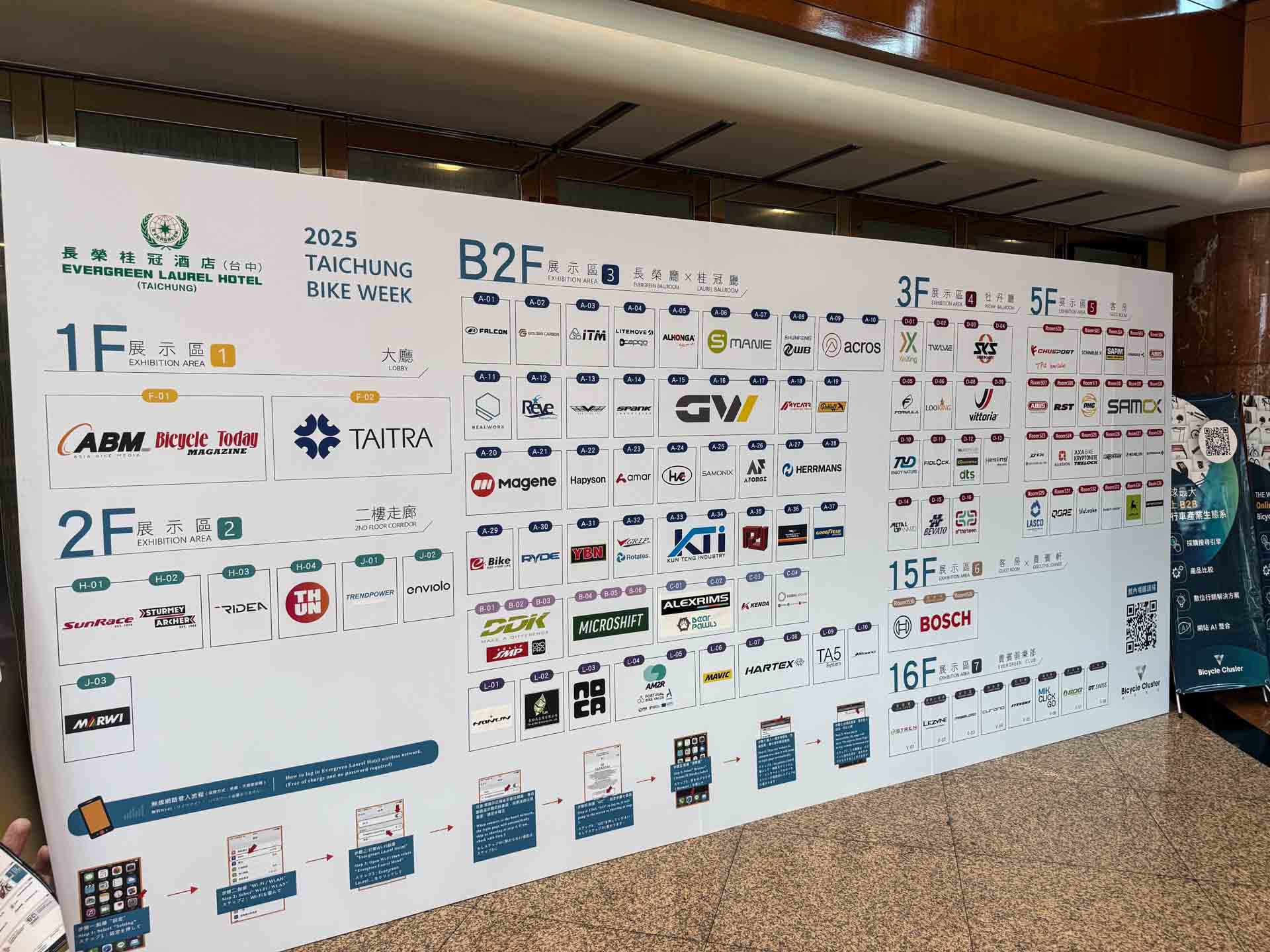
Exhibition Insights: A Mixed Landscape
Innovation was far from absent. One of the most talked-about technical trends was the potential adoption of 32-inch wheels, a shift that could redefine performance geometry and supply chain planning by 2027. Alongside this, exhibitors showcased refined components – from integrated carbon handlebars to upgraded pedal systems – proving that R&D investment continues despite market pressures.
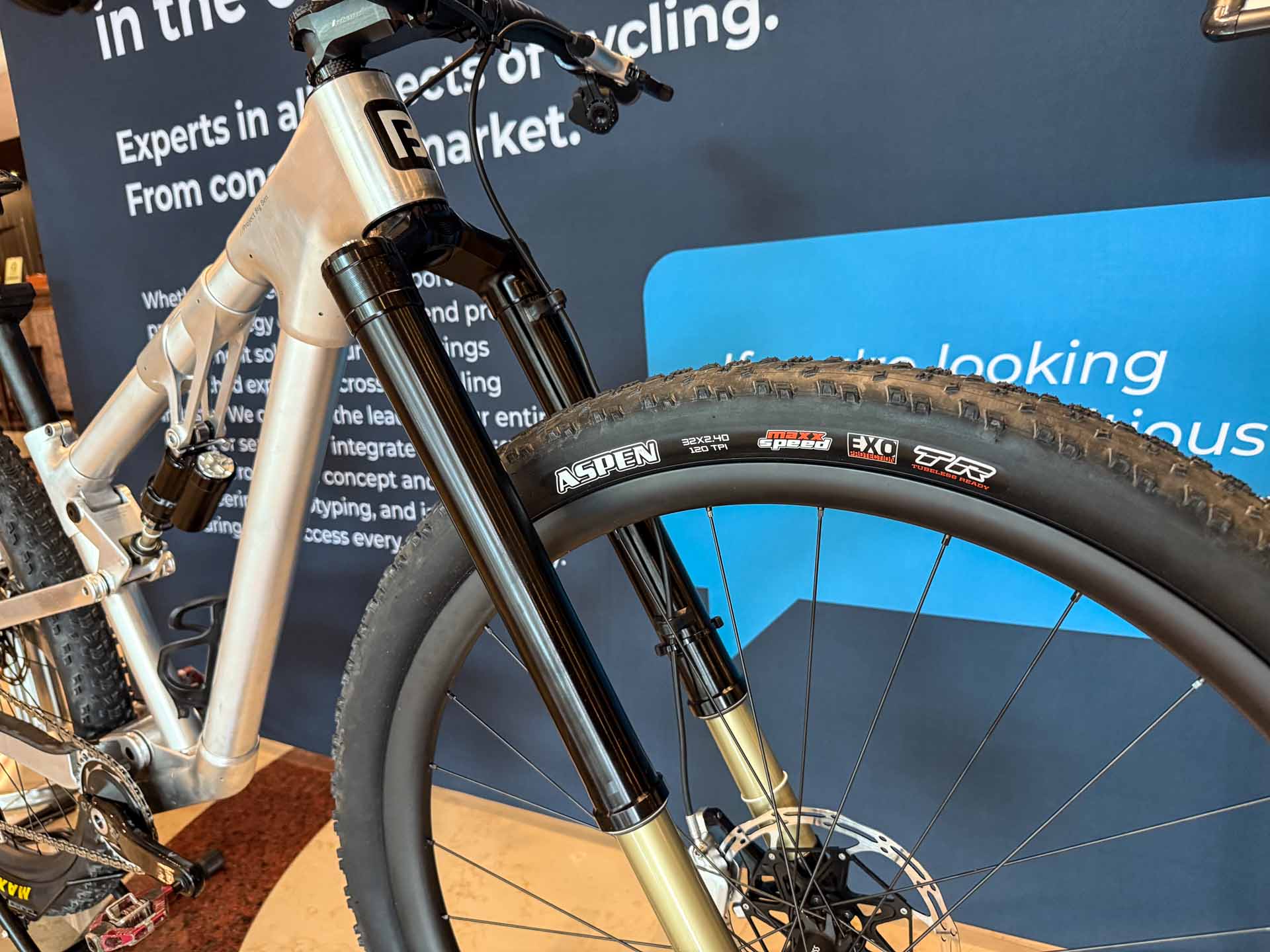
At this year’s Taichung Bike Week, complete bike brands appeared quiet, with frame-related components, fork suppliers, and e-bike systems (motors, batteries, controllers) similarly showing signs of stagnation. However, the aftermarket and maintenance sectors for small components—such as headsets, chains, wheelsets, and cranksets—bike parts that extend a bike’s lifespan, remained vibrant. These products continue stable demand from cyclists, which highlights the market’s resilience.
Surprisingly, sustainability and ESG were hardly present at this Taichung Bike Week 2025 edition— almost as if the topic had been put on hold. At a moment when the industry is facing some of its toughest challenges, this could have been a chance to rally around a forward-looking vision and use environmental responsibility as a lever for transformation.
The E-Bike Frontier
E-bike systems, batteries, and regulations were another hot topic, with discussions focused on harmonizing standards across key markets. Far from a sign of stagnation, these debates reflect the sector’s maturity and its push to ensure long-term safety and reliability for consumers.
Competitive Pressure from European festival-like shows
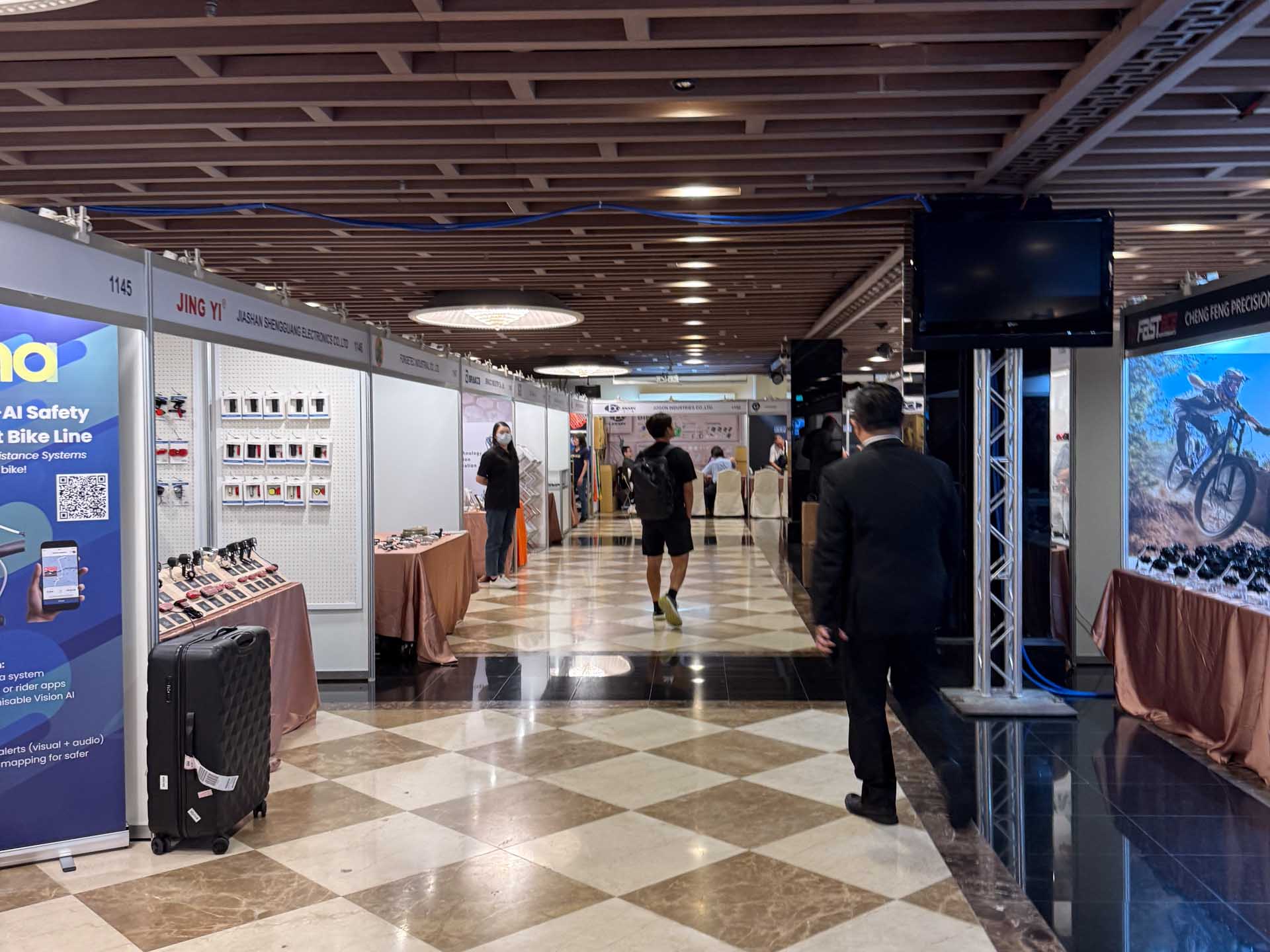
The concurrently held Italian Bike Festival in Italy, Sea Otter Europe in Spain and Roc d’Azur in France attract many European brands this time of the year, and with exhibition/travel budgets tight, this probably led to a number of international visitors skipping Taichung Bike Week. This diversion of attention underscores the growing competitive pressure from other shows.
Taichung Bike Week is one of the most relevant events in the bicycle industry. It has been a B2B-focused, exclusive platform where (mostly) Taiwanese suppliers and clients finalize deals. However, the event has never prioritized showcasing the bicycle industry’s potential to the public, and its visibility to outsiders remains limited. Fifteen years ago, this was not an issue, but in 2025, with marketing penetration in every sphere, the industry needs every opportunity to boost exposure. Striking a balance between “exposure” and “exclusivity” has become a critical art.
The current bicycle marketing ecosystem is intricate, with digital and traditional channels constantly competing for attention and resources. Modern marketers must juggle social media algorithms, content scheduling, influencer partnerships, email campaigns, SEO optimization, and the promotion of cycling events. These interconnected marketing efforts often reveal the strengths or weaknesses of a brand’s strategy. The current state of Taichung Bike Week also highlights the transformation pressures facing traditional exhibition models.
Survival Rules for Exhibitors: Marketing Determines Success
In today’s competitive bicycle market, simply displaying meticulously developed products at a booth is no longer enough to attract orders. The reality is: if your product goes unnoticed, or if the booth next door is more eye-catching, you risk being overshadowed. Competition has extended beyond product quality to visibility. Successful exhibitors must focus on three key strategies:
- Effective Use of Marketing Budgets: Allocate resources precisely to avoid wasteful spending.
- Targeting the Right Audience: Deeply understand customer needs and offer tailored solutions.
- Embracing Digital Tools and Omnichannel Engagement: Leverage emerging digital platforms to boost brand visibility while combining offline activities to foster meaningful human connections.
Companies clinging to the outdated mindset that marketing is a “waste of money” will be gradually fall out of this infinite game. Those who stand out will be the ones who master the art of visibility.
Looking Ahead: A Brighter Road?
Taichung Bike Week 2025 was not a celebration of record sales or booming demand – but it was a reminder that this industry remains resilient, innovative, and ready to evolve.
The most encouraging sign for the future though is that cycling itself hasn’t slowed down. Far from it — whether in cities, on country roads, or up in the mountains, cyclists are everywhere. This grassroots enthusiasm is the real engine that will pull the industry forward. Yes, the sector still has to work through excess inventory and adjust production to a more sustainable pace, but these are solvable problems. The passion for riding is alive and well, and as long as people keep pedaling, the market will eventually catch up and regain its rhythm.

Thanks for reading!
👉 Stay in the loop — follow us on LinkedIn for the latest insights and expert perspectives. This blog is a passion project, and every bit of engagement helps.